Corn's Shady Past Revealed
Before 1492, corn was exclusively a New World crop. Indigenous peoples across Central and North America had been growing and eating corn for thousands of years. Through generations of growing and eating corn, they knew something crucial that Europeans missed.
Indigenous peoples used a process called nixtamalization (hard to say, but bear with me.) This treatment process made all the nutrients bioavailable to the human body. Without it? You're basically eating empty calories that actually block your body from absorbing niacin, an essential B vitamin.
Nixtamazilation uses lime sourced fromleft over from fires, sprinkled into the corn as they cooked it. The lime breaks down parts of the corn that block absorption.
Enter the Europeans
When the europeans arrived in the Americas, they took one look at the corn and thought, "Holy shit, this stuff grows everywhere! It takes ages to go bad. We're def taking this back home with us."
Which they did. But in their excitement (and willful ignorance and arrogance), they completely ignored the processing methods indigenous people had been using for generations.
The Vampire Connection
People who relied heavily on improperly processed corn started developing pellagra, a disease caused by severe niacin deficiency. The symptoms? oh, just a casual list of vampire-like qualities:
- Extreme weight loss and wasting away
- Pale, photosensitive skin
- Bleeding gums
- Insomnia (not sleeping at night)
- Sensitivity to sunlight
Sound familiar? Yeah. These poor folks were essentially living out vampire folklore in real time, all because they didn't know how to properly treat their corn.
The disease was so widespread and the symptoms so disturbing that it likely contributed to vampire myths circulating through European communities in the 16th and 17th centuries. People were literally wasting away, looking gaunt and pale, bleeding from their mouths, and couldn't go out in daylight without pain.
The wildest part? This was entirely preventable. Indigenous Americans had the solution all along: nixtamalization.
So next time someone tries to tell you food history is boring, remind them that improper corn processing accidentally created vampires.
Further Reading
 Mary Beth Lasseter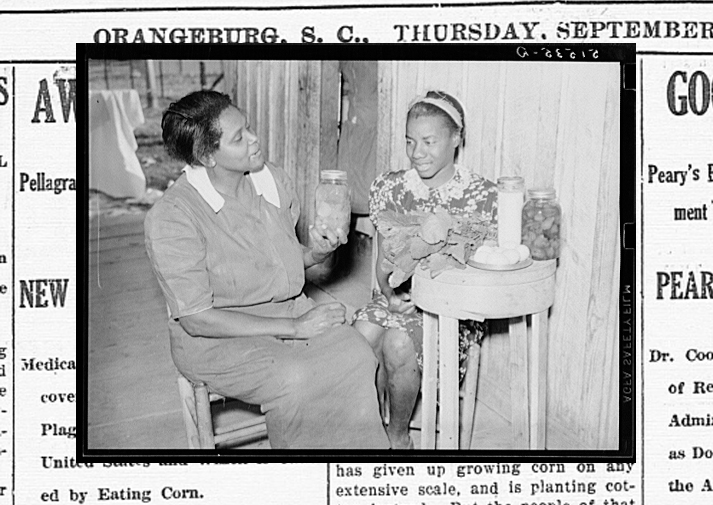
References
Rupp, R. (2011). How Carrots won the Trojan War: Curious (but True) Stories of Common Vegetables. Storey Publishing.